The Influencer Buzz: A Look Beyond the Hype of Crossover Boxing

What if a group of people who have never been in a single professional fight show up and sell out arenas, and make millions of people watch them all over the planet? That’s exactly what crossover boxing is now – a platform where online personalities settle scores, build legacies, or simply engage fans in a boxing ring.
Though they started as a one-off show, it is no longer a novelty. Youtubers like Logan Paul, KSI, and Jake Paul not only don gloves, but have also started a new form of entertainment. Now, they are being picked up by promoters, aired by broadcasters, and are being listened to by viewers. Whether it is a joke or the future of the sport remains to be seen, depending on whom you ask. But one thing is undeniable about it: it has a far reach.
So how did this all happen? Why are influencers now taking the ring with former world champions?
Influencer Boxing Is Now Global – And So Is the Fanbase
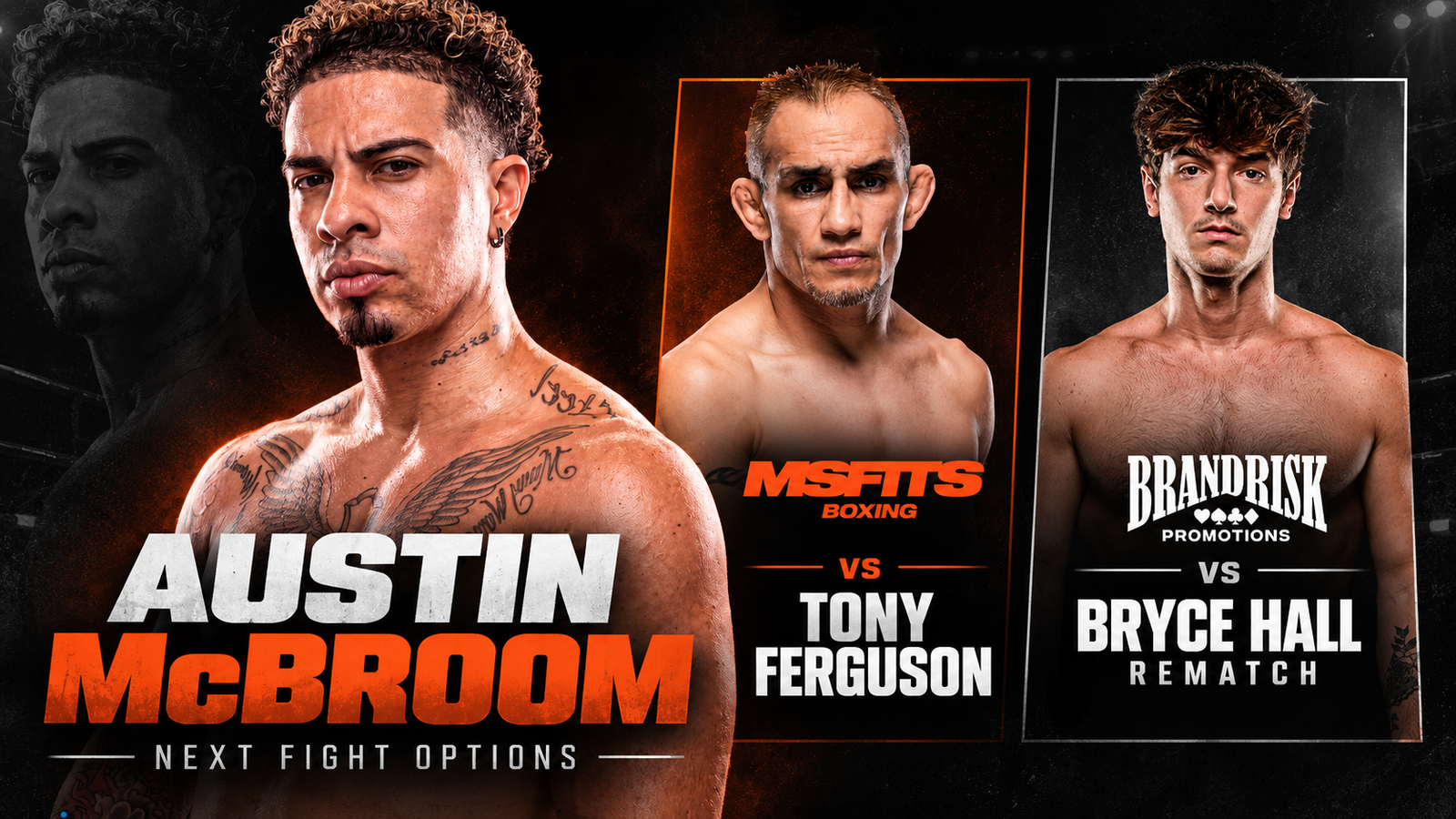
At first, it appeared to be a U.S. and U.K. trend. But creators of all sorts are now coming into the limelight. Take Salt Papi, a Filipino from the UK who made his name with funny videos before joining Misfits Boxing. Although the beginning of it all was humble, now his fights have large viewership numbers and have some traditional fight pundits noticing. He’s even gone toe-to-toe with former UFC fighters such as Tony Ferguson.
These influencers are often bringing their full online persona into the ring. It’s not only about training clips. Fans are familiar with their routines, what they joke about, their music choices, and even what they eat. When Salt Papi goes in the ring, it’s not just a fight. It’s part of a continuing story, and people from both the UK and the Philippines tune in to follow it.
Their popularity is not limited to streaming and social media. It’s visible now in the way fans interact with their matches on betting platforms that didn’t use to have anything to do with anything outside of professional boxing. On Filipino betting sites, especially, matchups in which influencers like Salt Papi are now part of the conversation. It’s not even restricted to the people who do traditional boxing anymore. This is because these platforms now offer odds across a wide range of sports, including MMA and even niche influencer bouts, with prices typically shown in decimal format, which is the most common in the Philippines.
Markets are adjusted based on form, head-to-head results, and other factors, helping fans track and wager on the growing variety of matchups gaining traction locally.
From Friendly Challenges to Prime-Time Fights
In 2017, no one thought that a YouTube video would launch a new era in boxing. British creators Joe Weller and Theo Baker were mere friends sitting for a match. It was not about titles or money. But when KSI fought back against the winner, he caught fire.
The real change came from Logan Paul stepping into the ring. Both of them had fanbases numbering in the tens of millions, and their online rivalry made for massive hype. Their first match attracted more than 1 million P.P.V. buys and more than 20 million replays.
It did not take long for major promoters such as Eddie Hearn to take notice. He assisted in taking KSI vs. Logan Paul II to a sold-out Staples Center in Los Angeles. It had 1.2 million official pay-per-views and was aired by top sports networks. The message was clear: these fights were real business, even if not everybody took it seriously.
Why Influencers Can Fill Arenas Without Boxing Skills
Most professional boxers build their reputation in silence: gym work, local shows, and years of training. Influencers do the opposite. They build it all in public. Their audiences don’t just know them, they follow them daily. By the time they announce a fight, the story is already halfway told.
People aren’t just watching for the match. They’re watching someone they’ve known online for years take on something hard. That connection changes how the fight feels. Logan Paul didn’t need a belt to get a crowd. Jake Paul didn’t need a record to headline. They needed stories, and they had plenty.
Even professional fighters took notice. Floyd Mayweather went eight rounds with Logan Paul. Not because Paul earned it through boxing, but because the world was watching. When Jake Paul fought Nate Robinson and later called out MMA fighters, it wasn’t technical skill pulling people in. It was curiosity. The whole thing became less about clean punches and more about cultural moments.
Even the Pros Can’t Ignore It Anymore
Ask any old-school boxing fan and they’ll tell you what’s missing: technique, discipline, experience. But even they’re watching. Why? Because these fights are everywhere. They’re not replacing the sport, but they’ve carved out a lane of their own.
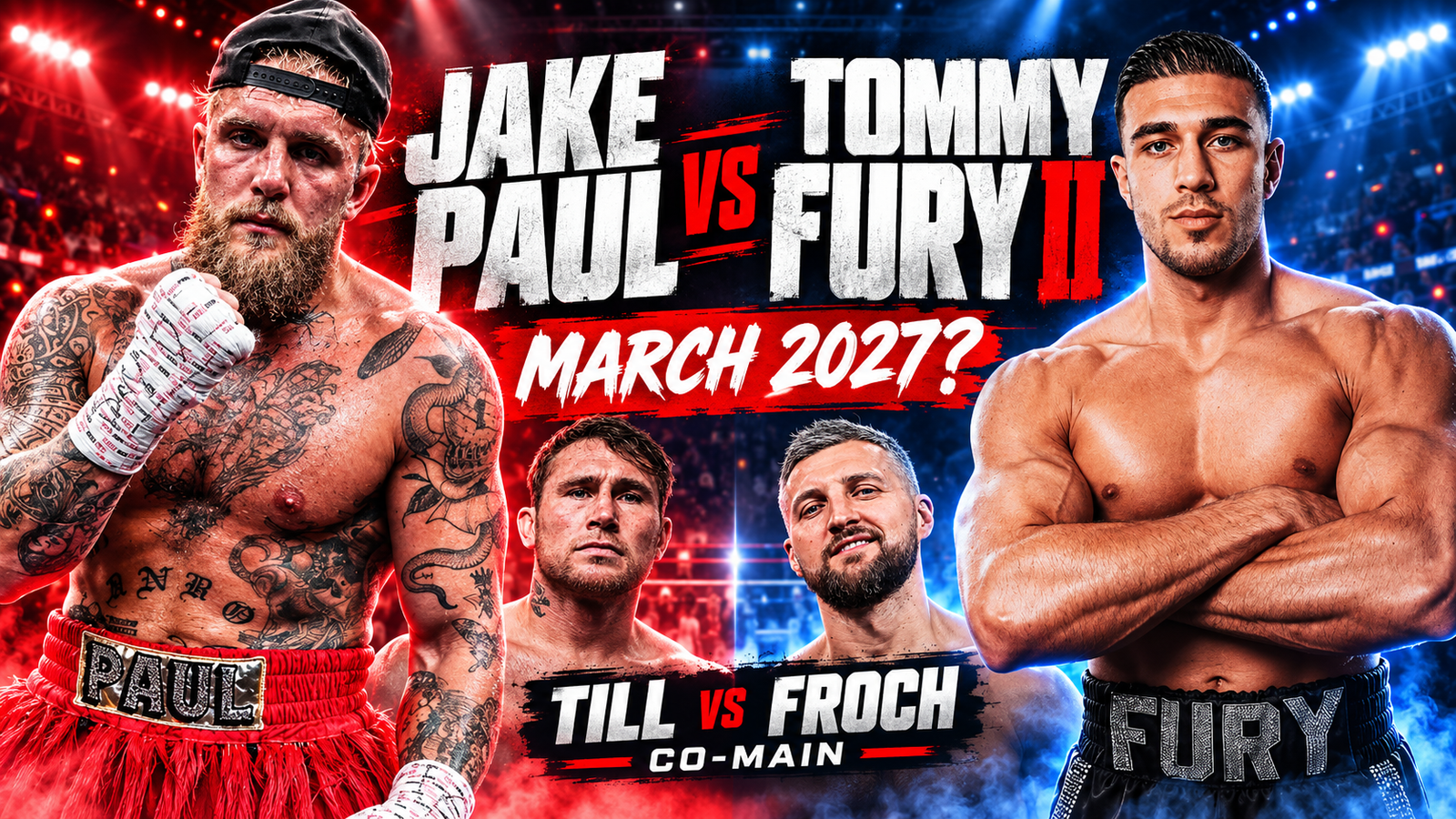
Logan Paul’s fight with Floyd Mayweather didn’t end with a knockout, but it marked a moment. Jake Paul has headlined cards against retired fighters and MMA legends. Just last year, he fought Mike Tyson, a bout that stirred up everything from outrage to massive online engagement, even though Tyson had been retired for nearly two decades.
Some of these events feel more like a show than a sport. But they still bring attention. And with each one, the line between boxing and content keeps getting blurrier. It’s not always clean or fair, but it’s real. Whether boxing wants it or not, influencer fights have become part of its story.