From YouTube streams to pay-per-view: how influencer boxing changed fighter pay and fan access
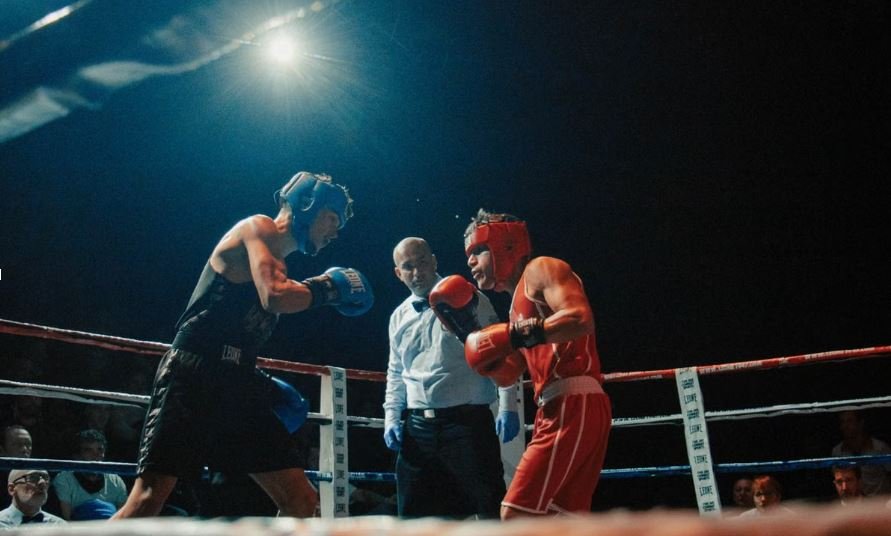
Influencer boxing began with online rivalries; creators with loyal followings and fans used to watching them for free. Within a few years, those match-ups were appearing on established boxing networks and global streaming services. What had looked like an internet experiment became a serious part of the fight business.
The bigger change wasn’t simply that viewers started paying. Promoters found new ways to package a creator’s audience, while headline fighters gained leverage as commercial attractions. For fans, the journey brought bigger productions, but also more complicated choices about where and how to watch.
From free streams to major broadcasters
In February 2018, KSI fought Joe Weller at London’s Copper Box Arena in a bout streamed free on both creators’ YouTube channels. The fight drew 1.6 million concurrent viewers at its peak, which showed that a creator-driven fight could reach a large live audience without an established sports broadcaster.
Only months later, KSI’s first meeting with Logan Paul was sold as a YouTube pay-per-view (PPV) livestream. By their November 2019 rematch at the Staples Center, distribution had expanded to Sky Sports Box Office in the UK, DAZN in the US and FITE in several other markets. The rivalry had moved from a creator’s own platform onto the machinery of professional boxing broadcasts.
In 2022, Misfits Boxing partnered with DAZN to launch its X Series, and the opening event in August demonstrated yet another model. Subscribers in most markets could watch as part of their DAZN plan, while viewers in Canada, the US, the UK and Ireland faced a separate PPV charge. Distribution and pricing were no longer the same everywhere.
What broadcast revenue means for fighters
A successful broadcast doesn’t mean every boxer receives the same share of its earnings. Traditional boxing purses depend on negotiation, drawing power and contract terms. Established headliners may secure guarantees and a share of event revenue, while fighters lower on the card typically negotiate more modest payments.
Influencer boxing adds another dimension, because some stars are also involved in promotion. Jake Paul co-founded Most Valuable Promotions (MVP) with Nakisa Bidarian in 2021, giving him a role in building and competing in events. KSI co-founded Misfits Boxing and has been closely tied to its broadcast partnerships.
That involvement can create income beyond a fighter’s purse, including promotional revenue and business ownership. It doesn’t prove either creator takes home a particular percentage of an event, though. Without access to contracts and expenses, headline revenue figures can’t tell us exactly what an individual fighter earned.
The wider debate about fighter pay
The contrast between famous creators and experienced professional boxers has sharpened an old question: should earnings reflect sporting achievement, the ability to sell tickets and streams, or some combination of both?
Traditional fighters can reasonably point to years of training, competition and risk. Promoters, meanwhile, have to consider how many paying viewers a headline name can attract. Those arguments aren’t mutually exclusive. A boxer can deserve respect for their skill while a less experienced creator commands a larger commercial audience.
What remains harder to establish is whether influencer paydays have directly raised purses across professional boxing. Individual contracts are rarely public, and revenue from tickets, sponsors and broadcasting is divided in different ways. The clearest effect so far is on the conversation about who creates value and who gets to share it.
Fan economics: price, access and reliability
The move to major platforms gave fans more polished productions, bigger venues and the chance to watch familiar creators alongside professional fighters. It also introduced costs that varied by event and country. One subscription might include a card, while another required an additional purchase.
The November 2024 Jake Paul vs Mike Tyson event showed a different route. Netflix included the fight for subscribers at no extra charge and reported an average live audience of 108 million viewers worldwide. That reach was remarkable, but Downdetector logged more than 100,000 complaints about buffering and connection problems during the broadcast.
A year later, the model was tested again. In December 2025, Anthony Joshua knocked out Jake Paul in the sixth round of another Netflix event, which drew 33 million viewers globally. That’s a strong audience by any standard, but well short of the Tyson benchmark. It suggests the opponent and the storyline still matter as much as the platform.
For fans, affordability is only part of the calculation. They need to know which service carries the fight, whether their existing subscription is enough and whether the stream will hold up when the main event begins.
Fight nights also compete for the same entertainment budget as other paid digital options. For adults in Canada, those range from music and gaming subscriptions to iGaming. Spin Casino, for example, is a real money online casino whose Canadian site offers slot and table games, and it’s separate from boxing broadcasts altogether. Whatever the format, the same habit serves viewers well: checking what’s included, what it costs and what the terms are before committing.
What comes next for influencer boxing?
The history of influencer boxing isn’t a straight line from free YouTube videos to expensive PPV. It’s a shift towards several competing models, from one-off purchases to subscription-led global events on platforms like Netflix and DAZN.
Fighters with loyal audiences may gain more leverage, especially when they help promote or own the event. Broadcasters gain access to viewers they might otherwise struggle to reach. Fans get greater spectacle, but they also expect clarity, value and a stream that works.
The biggest lesson is that attracting an audience and controlling how it watches has become a powerful advantage in boxing. Fighters who understand both may be better placed to negotiate their earnings, while broadcasters must keep giving viewers a reason to pay. Influencer boxing has shown that popularity creates commercial opportunities, but the sport’s long-term health will depend on whether those opportunities translate into worthwhile deals for fighters and fans alike.