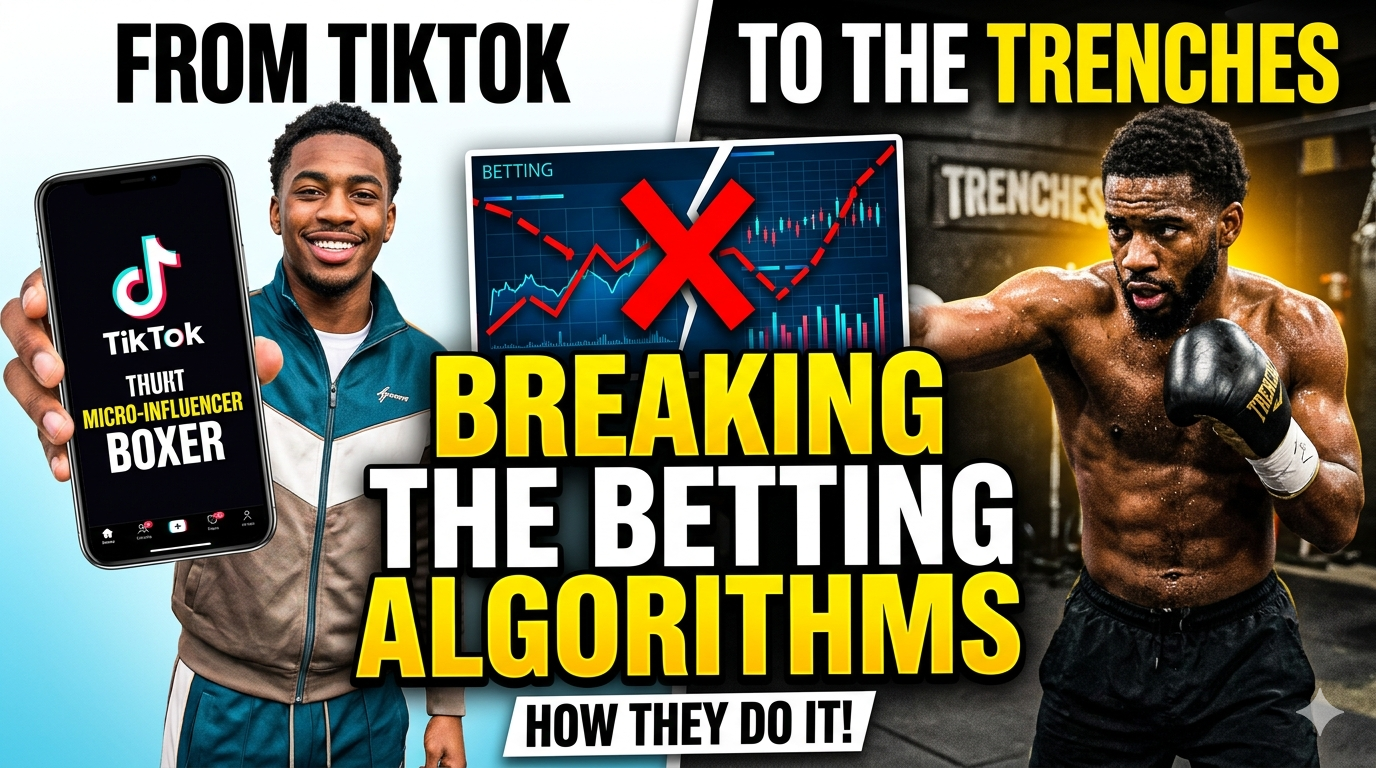
From TikTok to the Trenches: How ‘Micro-Influencer’ Boxers Are Breaking the Betting Algorithms
Boxing has always been a sport of stars. For the longest time, big names were the focus, and big fights always drove the betting markets. The likes of Mohamed Ali, Mike Tyson, and recently Tyson Fury, Oleksandr Usyk and Anthony Joshua are among the top professional boxers known globally.
In 2026, that’s all about to change as a new crop of fighters is emerging. They are not traditional champions, but micro-influencers boxers who have built their fanbase on social media platforms such as TikTok, Instagram, and YouTube.
They are revolutionizing the way fans consume their fights. But more importantly, they are shaping the way fans are betting on their fights. You can Find current promotions here while also keeping an eye on how the new wave of boxers are influencing the boxing world.
Micro-Influencer Boxers
Micro-influencer boxers are boxers who have a strong social media fan base but may not have a long professional career. They have a fan base that follows their daily lives, their training regimens, their content, and their fights.
Their fans engage with the content online and support the fighters via social media. This is a different kind of loyalty. Fans are not just watching the fight, they feel connected to the fighter.
The Shift in Audience Behavior
Boxing enthusiasts used to focus on rankings and titles. Micro-influencer boxing has a different audience. This audience discovers fighters through content, loves personalities, not skills, and they make bets based on personalities and hype. This impacts betting behavior as fans focus on more than just stats and records.
Why Algorithms Fail
Algorithms used for betting are based on data. This data includes:
- Fight history
- Strength of opponents
- Punch data
- Physical attributes
This works for traditional boxers, however, micro-influencer boxers don’t fit this model.
1. Limited Fight Data
Many of these fighters have short records. There is not enough data to build accurate models and this increases uncertainty.
2. Rapid Skill Development
Influencer fighters often improve quickly. They train intensively and invest in top coaches. A fighter who looked average six months ago may perform at a much higher level today. Algorithms struggle to capture this pace of change.
3. Unpredictable Matchups
These fights are often arranged for entertainment value. Matchups may not follow traditional rankings, creating unusual pairings that are harder to analyze.
The Role of Public Betting
Public perception plays a larger role in these fights. If fans of a fighter are fans because of their online presence, they are more likely to bet on them. This introduces a level of bias in betting. The odds may change based on their popularity, not their performance.
For sharp bettors, this is an opportunity. If the odds are skewed because of their popularity, it means there is value in their opponent.
Content as a Competitive Edge
The micro-influencers are using content as a competitive edge. They are their own story and they show fans their training, lifestyle, confidence, and mindset. This is generating hype for their fights, but it is also generating a perception of their chances of winning. In some instances, perception is more powerful than reality.
The Blurring of Sport and Entertainment
Influencer boxing is both a sport and entertainment. Boxing matches are events meant to attract viewers. This has implications for the way the bets are placed. It means that traditional analysis may not be as applicable. Consider the following factors:
- Audience engagement
- Promotional strategy
- Event format
These factors may be at play.
Final Thoughts
Micro-influencer boxers are changing the sport of boxing. They are attracting new audiences and creating new narratives. In this new era, attention is power, and those who understand how it moves will have the edge.